Solar PV Systems
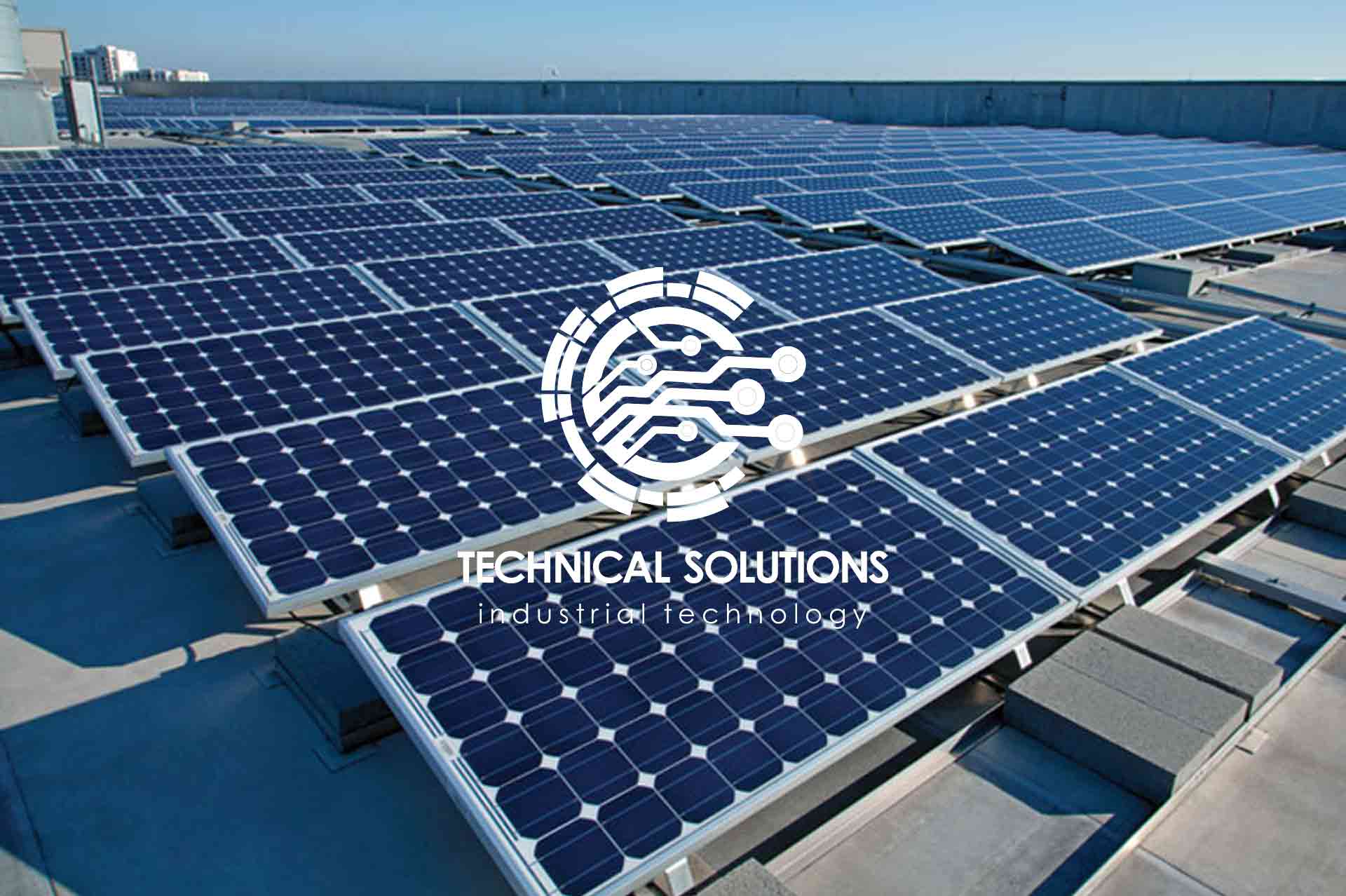
Solar photovoltaic (PV) systems convert sunlight directly into electricity. They are the foundation of modern renewable energy infrastructure — scalable, reliable, and increasingly cost-effective compared to conventional generation sources. Technical Solutions designs, supplies, and implements solar PV systems across all application categories, from small rooftop installations to multi-megawatt utility-scale power plants. Application Categories Residential Systems […]
Solar photovoltaic (PV) systems convert sunlight directly into electricity. They are the foundation of modern renewable energy infrastructure — scalable, reliable, and increasingly cost-effective compared to conventional generation sources.
Technical Solutions designs, supplies, and implements solar PV systems across all application categories, from small rooftop installations to multi-megawatt utility-scale power plants.
Application Categories
Residential Systems
Rooftop and ground-mounted systems for individual homes and residential compounds. Typical capacities range from 3 kW to 30 kW. These systems reduce dependence on grid power or diesel generators and can include battery storage for backup during outages.
Commercial & Institutional Systems
Systems for offices, schools, hospitals, retail centres, and government buildings. Capacities typically range from 30 kW to 500 kW. Commercial systems are designed to offset daytime electricity consumption and reduce operating costs over a 25+ year system life.
Industrial Systems
Large rooftop or ground-mounted installations for factories, processing plants, and industrial facilities. Capacities range from 100 kW to several megawatts. Industrial systems often integrate with existing electrical infrastructure including medium-voltage switchgear, power factor correction, and energy management systems.
Agricultural Systems
Dedicated solar generation for water pumping, irrigation, cold storage, and agricultural processing. These systems are often deployed in remote areas without grid access, using direct-drive solar pump inverters or hybrid configurations with battery storage.
Utility-Scale Systems
Grid-connected solar power plants with capacities from 1 MW to tens of megawatts. Utility-scale systems require professional-grade engineering including detailed electrical design, grid compliance studies, protection coordination, and performance modelling. Technical Solutions delivers these projects through its full EPC capability.
Basic System Architecture
A solar PV system consists of several integrated components:
- PV Modules — convert sunlight to DC electricity. Technical Solutions specifies high-efficiency monocrystalline modules from Tier-1 manufacturers, selected for reliability, temperature performance, and long-term degradation characteristics.
- Inverters — convert DC power from the modules to AC power for use or grid export. We deploy string inverters, central inverters, or hybrid inverters depending on system size and application requirements.
- Mounting Structure — the mechanical framework that supports the modules. Designed for structural integrity, wind load resistance, and optimal tilt angle for the installation location.
- Electrical Balance of System (BOS) — cables, connectors, combiner boxes, protection devices, switchgear, and earthing systems that complete the electrical installation.
- Monitoring and Control — data acquisition systems that track generation, consumption, and system health in real time.
- Energy Storage (optional) — battery systems for backup, load shifting, or off-grid operation.
Reliability and Environmental Suitability
Libya's climate presents specific challenges for solar PV systems: high ambient temperatures, intense UV radiation, dust accumulation, and occasional sandstorms. Technical Solutions addresses these conditions through:
- Module selection — specifying modules with low temperature coefficients, high PID resistance, and proven performance in hot, arid climates
- Inverter rating — selecting inverters with high operating temperature ranges and robust environmental protection (IP65/IP66, C5 corrosion resistance)
- Structural design — engineering mounting structures for local wind and environmental load conditions
- Cable and connector specification — using UV-resistant, high-temperature rated materials throughout
- Maintenance planning — designing systems with cleaning access, monitoring capability, and preventive maintenance schedules appropriate for dusty environments
Components and Value Chain
Technical Solutions manages the entire value chain for solar PV projects:
- Site assessment and solar resource analysis
- System design and engineering
- Component selection and specification
- Procurement through manufacturer partnerships
- Logistics and delivery to site
- Installation and construction
- Testing and commissioning
- Performance verification
- Handover with documentation and training
- Ongoing maintenance and support
This integrated approach ensures that every component is selected for the specific project, verified for compatibility, and installed to the required standard.
PV Systems EPC → | Hybrid Energy Systems → | Solar Water Pumping → | Discuss Your Project → | Contact Technical Solutions →
Comprehensive Execution
From feasibility studies through procurement, integration, and commissioning, we deliver end-to-end engineered solutions tailored to precise operational environments.
Related Information
Battery Energy Storage
Battery energy storage systems (BESS) bridge the gap between energy generation and consumption. Technical Solutions designs, supplies, and integrates BESS solutions from commercial backup systems to large-scale industrial and utility installations. Use Cases Utility-Scale Storage Large BESS connected to the grid or co-located with renewable generation. Applications include grid stabilisation, frequency regulation, peak demand management, […]
Learn more
Grid Integration
Connecting renewable energy systems to existing electrical networks requires careful engineering. Technical Solutions designs and implements the electrical infrastructure needed to safely and reliably integrate solar PV, battery storage, and hybrid systems into grid-connected or isolated power networks. Grid Connection Grid-tied renewable energy systems must comply with utility requirements for power quality, protection, and control. […]
Learn more
Hybrid Energy Systems
Not every site can depend on a single source of electricity. Grid supply may be unstable, solar production changes through the day, and generator-only operation can be expensive and inefficient. Hybrid energy systems combine multiple power sources into one coordinated architecture so that energy is available when it is needed, at a lower operating cost […]
Learn moreReady to discuss your requirements?
Connect with our engineering team for a structured project assessment, scope discussion, or technical procurement conversation.